Most people know tuna as a cheap, convenient pantry staple. What they don’t know is that this humble fish is quietly one of the most nutritionally complete foods on the planet. A single serving delivers nearly 27 grams of complete protein, covers your full daily need for vitamin B12, provides half your recommended vitamin D, and floods your body with heart-protecting omega-3 fatty acids. Research has linked regular tuna consumption to a lower risk of heart disease, better eye health, reduced inflammation, sharper brain function, and even support for healthy weight loss. And it costs less than almost any other protein source you can name. Whether you eat it straight from the can or grilled fresh, tuna is one of the simplest upgrades you can make to your diet — and the science backs that up completely.
What exactly is tuna?
Tuna is a saltwater fish found across a vast stretch of the world’s oceans — from the Atlantic all the way to the warm waters of Indonesia. It comes in several species, but in most countries, the two you’ll encounter most often are skipjack, sold under the label “light tuna,” and albacore, the only variety legally permitted to be called “white meat tuna” in the United States.
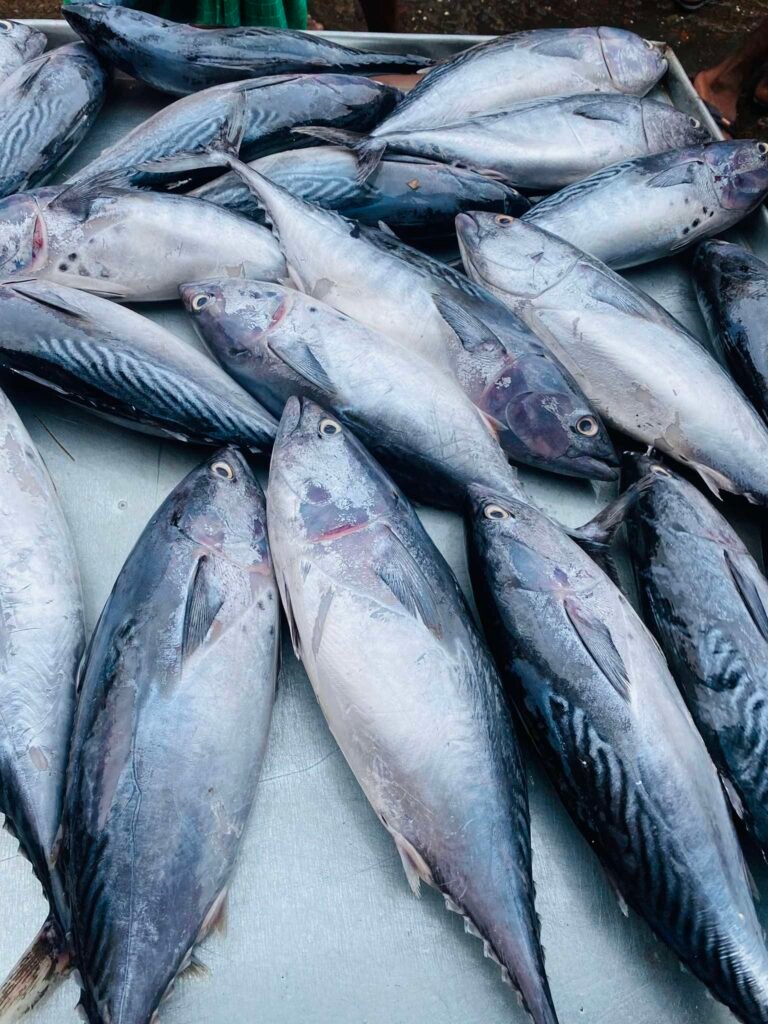
Both are widely available, both are affordable, and both are exceptionally nutritious. Tuna has been a staple food for generations — not just because it’s practical, but because people have long sensed that eating it regularly makes them feel good. Now, nutritional science gives us a much clearer picture of exactly why that is.
It’s a powerhouse of lean protein
Let’s start with the most obvious benefit, because it genuinely deserves attention. A four-ounce serving of white albacore tuna delivers around 26.8 grams of complete protein — meaning all nine essential amino acids your body cannot produce on its own — for just 145 calories and barely 3.4 grams of fat. That protein-to-calorie ratio is difficult to match with almost any other food.
Protein isn’t just for athletes. Every cell in your body depends on it. It repairs damaged tissue, supports immune function, produces enzymes and hormones, and — critically — creates a feeling of fullness that keeps you from reaching for something less useful between meals. When you eat tuna, you’re giving your body exactly the building blocks it needs, without the saturated fat load that comes with red meat or processed alternatives.
Quick fact: In a clinical study, adolescents who regularly ate lean fish like tuna over several weeks lost an average of two pounds more than those who ate no fish — without any other changes to their diet. That’s the satiety effect of high-quality protein in action.
It protects your heart in several different ways
Tuna is one of the richest dietary sources of omega-3 fatty acids — specifically EPA (eicosapentaenoic acid) and DHA (docosahexaenoic acid). These long-chain fats have been studied extensively for their cardiovascular effects, and the evidence is consistent and compelling.
Omega-3s from tuna help reduce the level of LDL cholesterol — the kind that accumulates inside artery walls and contributes to heart disease over time. They also lower omega-6 fatty acids that build up around the heart, reduce overall inflammation in the cardiovascular system, and are linked in multiple large studies to significantly lower rates of heart attacks and cardiovascular events.
The American Heart Association doesn’t recommend eating fatty fish twice a week for no reason. That guidance is built on decades of research, and tuna sits squarely at the centre of it. Two servings a week is one of the most well-supported dietary habits you can develop for long-term heart health.
“Omega-3s reduce the LDL cholesterol that lines your arteries, calm inflammation, and are tied to meaningfully lower rates of heart attacks in large population studies.”
Your eyes and brain both benefit more than you’d expect
Here is a statistic that tends to stop people in their tracks: in a study of 40,000 female health professionals, women who ate several servings of tuna per week had up to 68% lower risk of developing dry eye syndrome compared to those who rarely ate fish. That is a striking reduction for a simple dietary habit.
The mechanism traces back to DHA, which is naturally concentrated in the cells of the retina and helps maintain the moisture film over the surface of the eye. Beyond dry eye, adequate DHA intake is associated with slower age-related macular degeneration — a leading cause of vision loss in adults over the age of fifty.
DHA also makes up roughly 40% of the polyunsaturated fats in the human brain. It is a structural component of brain cell membranes and plays a direct role in how neurons communicate with one another. Long-term studies associate diets rich in DHA with slower cognitive decline in ageing adults, lower risk of Alzheimer’s disease, and — in children — better attention, memory, and language development. Eating tuna regularly is one of the most practical ways most people can consistently hit their DHA targets.
It’s loaded with vitamins and minerals most people don’t get enough of
The protein and omega-3 story is well known. What tends to get less attention is tuna’s extraordinary micronutrient profile. A single three-to-four ounce serving provides 100% or more of your daily recommended vitamin B12 — a nutrient essential for DNA synthesis, red blood cell formation, and the health of the myelin sheath protecting your nerve fibres. B12 deficiency is surprisingly common, especially in adults over 50 and those on certain medications.
The same serving also provides around 50% of your daily vitamin D — one of the most widely deficient nutrients in the developed world, despite being critical for bone density, immune defence, and mood regulation. Tuna also delivers selenium, an antioxidant mineral that activates the enzymes your body uses to fight free radical damage, as well as meaningful amounts of niacin, phosphorus, potassium, iron, iodine, and vitamin B6.
Put it all together and very few single foods deliver this breadth of essential nutrition in one serving at this price point.
It may also help reduce inflammation and lower cancer risk
Chronic low-grade inflammation is one of the most studied drivers of modern disease — it creates conditions in which abnormal cells can grow and spread. Tuna’s omega-3 fatty acids are among the most effective dietary tools for reducing systemic inflammation, and they appear to slow the growth of certain tumour cells through mechanisms researchers are still working to fully understand.
Population studies consistently associate diets rich in anti-inflammatory omega-3s with lower rates of colorectal cancer, breast cancer, and several other common malignancies. Tuna alone is not a cancer prevention strategy — but as part of a broader anti-inflammatory diet, it contributes meaningfully to the picture.
Tuna earned its reputation as a health food honestly. It is not a trend, not a supplement, and not something you need a special diet to justify eating. It is simply a fish that happens to deliver extraordinary nutritional value — complete protein, omega-3 fatty acids, vitamin B12, vitamin D, selenium — consistently, affordably, and with minimal effort to prepare.
The research supporting its benefits spans cardiovascular health, eye health, brain function, weight management, bone strength, and cancer risk reduction. Few foods can make that range of claims and actually back them up.
Eat light tuna two to three times a week, stay within the FDA’s mercury guidelines, and choose the preparation that works for your lifestyle — canned, grilled, or seared. That is genuinely all it takes to make one of the best dietary decisions most people can make this week.
How many times a week should I eat tuna?
For light (skipjack) canned tuna, the FDA recommends two to three servings per week for healthy adults. For white (albacore) tuna, which contains more mercury, one serving per week is the guidance. Sticking within these limits lets you capture all the nutritional benefits without meaningful mercury exposure.
Is canned tuna as healthy as fresh tuna?
Largely yes. Canned tuna retains the vast majority of its protein, B vitamins, vitamin D, and selenium. Omega-3 levels can be modestly lower than in fresh fish, and sodium is notably higher — rinsing canned tuna before eating can reduce sodium by as much as 80%. Canned tuna also contains less mercury than fresh, because smaller fish are used in the canning process.
Is tuna safe to eat during pregnancy?
Light canned tuna is considered safe in moderate amounts during pregnancy — up to two to three servings per week according to the FDA. White albacore tuna should be limited to one serving per week. High-mercury species such as bigeye and bluefin should be avoided entirely. When in doubt, speak with your doctor or midwife for personalised guidance.
Can eating tuna help me lose weight?
It can genuinely help, yes. Tuna’s high protein content produces a strong feeling of fullness, which reduces overall calorie intake throughout the day. Its very low fat and calorie count means you’re not trading one problem for another. Clinical research has shown that people who regularly eat lean fish like tuna lose measurably more weight over time compared to those who don’t — without any other dietary changes.
What is the difference between light tuna and white tuna?
Light tuna is primarily made from skipjack fish, which are smaller. It has a stronger flavour, lower mercury levels, and slightly less omega-3 content. White tuna is albacore — a larger fish with milder flavour, higher omega-3 concentration, and higher mercury. For everyday eating, light tuna is the safer and more flexible choice. White tuna is best saved for occasional use.
Does tuna have any benefits for people with diabetes?
Yes — tuna contains zero carbohydrates and has no meaningful effect on blood sugar. Its omega-3 fatty acids may also improve insulin sensitivity over time. It is widely recommended as one of the best protein choices for people managing type 2 diabetes or prediabetes, precisely because it provides high-quality nutrition without the glycemic consequences that come with many other foods.
